The War Shelf

Military Fantasy Books: Where to Start

47 books 5 my picks Each one shows who backs it Updated

Military fantasy is fantasy told from inside an army: soldiers, officers and mercenaries, sieges and campaigns, with the war itself at the center rather than in the background. Start with the three books below, then pick by the kind of war you want: mercenary companies, sieges and supply, muskets and gunpowder, soldiers in the making, wars seen from several sides, the big epics, or war played for laughs.

Start here

Must read classics:

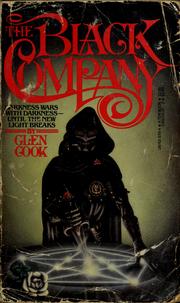
Cover of The Black CompanyThe Black Company

The Black Company

Glen Cook Start with The Black Company, then Shadows Linger and The White Rose

A mercenary company serves sorcerous tyrants and tries to stay loyal to itself.

Read it for
how a military unit survives, and stays loyal to itself, under corrupt masters.
Heads-up
the first chapters can confuse, and you see less of the characters' inner lives than in Abercrombie.

Also onGrimdark Fantasy Books

Cover of The HeroesThe Heroes

The Heroes

Joe Abercrombie Start with The Heroes (standalone in the First Law world)

Three days of battle between two armies, seen by commanders and exhausted veterans.

Read it for
command failures, soldiers' viewpoints and the gap between heroic reputation and battle.
Heads-up
it follows the First Law trilogy, so newcomers miss some returning characters.
Awards
British Fantasy Award and David Gemmell Legend Award nominee, 2012.

Also onBooks like The Black Company

Cover of The Thousand NamesThe Thousand Names

The Thousand Names

Django Wexler Start with The Shadow Campaigns, book 1

A colonial regiment fights a religious uprising in a desert colony, seen partly through Winter, a woman serving disguised as a man.

Read it for
Napoleonic-inspired warfare, regimental friendships and battles where tactics matter.
Heads-up
this is the opening campaign; the revolutionary politics come in later books, the book focuses strongly on soldiery, not magic (for most of it), it is slower paced.

Recommended by

Also onFlintlock FantasyBooks like Powder MageIf You Like This Game or War Film, Read This Book

Mercenary companies

Soldiers who fight for pay, and what happens when the pay, the employer or the cause runs out.

Cover of The Red KnightThe Red Knight

The Red Knight

Miles Cameron Start with The Traitor Son Cycle, book 1

A mercenary captain takes a contract to defend an abbey against creatures of the Wild.

Read it for
command, martial detail and fighting supernatural enemies.
Heads-up
a big ensemble, not one recruit's story.

Recommended by

Cover of Sheepfarmer's DaughterSheepfarmer's Daughter

Sheepfarmer's Daughter

Elizabeth Moon Start with The Deed of Paksenarrion, book 1

Paks leaves an arranged future behind to join a mercenary company and learns army life from the bottom.

Read it for
training, duty and a woman's development as a soldier.
Heads-up
book one is about becoming a soldier; the later paladin story comes after.
Awards
Compton Crook Award for best first novel, 1989.

Recommended by

Cover of The Ten ThousandThe Ten Thousand

The Ten Thousand

Paul Kearney Start with The Macht, book 1

A mercenary army loses its employer and has to fight to survive.

Read it for
army cohesion, retreat and the consequences of failed command.
Heads-up
ancient-style warfare, no gunpowder.

Recommended by

Cover of A Crown for Cold SilverA Crown for Cold Silver

A Crown for Cold Silver

Alex Marshall Start with The Crimson Empire, book 1

A retired conqueror is dragged back into violence, and her old captains with her.

Read it for
aging warriors, a dangerous reputation and the return of old alliances.
Heads-up
a sprawling revenge story, not a warm reunion.

Also onGrimdark Fantasy Books

Cover of Age of IronAge of Iron

Age of Iron

Angus Watson Start with Iron Age trilogy, book 1

An aging Iron Age mercenary looking for work ends up fighting a brutal local ruler.

Read it for
rough humor, an older fighter and violence grounded in an Iron Age setting.
Heads-up
invented magic and comic exaggeration, not historical realism.
Cover of Scourge of the BetrayerScourge of the Betrayer

Scourge of the Betrayer

Jeff Salyards Start with Bloodsounder's Arc, book 1

A young scribe rides with a warband whose captain won't say what the mission is.

Read it for
an outsider's view of soldiers, their bonds and dangerous orders.
Heads-up
the mission is deliberately obscure; if The Black Company's opening put you off, this may too.

Recommended by

Ash: A Secret History

Mary Gentle Standalone (published in four volumes in the US)

A woman raised by mercenaries commands her own company in an alternate 1477, with arquebuses, artillery and an invasion out of a darkened Carthage.

Read it for
grounded campaign life, a great siege and a secret history that grows stranger as it goes.
Heads-up
about 1,600 pages, with vivid violence and an early mention of child rape.
Awards
British Science Fiction Association Award and Sidewise Award, 2001; Arthur C. Clarke Award shortlist.

Recommended by

  • Readers on Reddit

Also onFlintlock FantasyPike-and-Shot Fantasy Books

Sieges, supply and survival

Wars decided by walls, food, money and what people do when they run out of all three.

Cover of How to Rule an Empire and Get Away with ItHow to Rule an Empire and Get…

How to Rule an Empire and Get Away with It

K. J. Parker Start with Sixteen Ways to Defend a Walled City

An actor and professional liar is pressed into a dangerous role in a city under siege.

Read it for
the siege seen by a con man instead of an engineer.
Heads-up
book two of The Siege; read Sixteen Ways first.
Cover of LegendLegend

Legend

David Gemmell Start with Legend (the first Drenai novel)

The aging warrior Druss joins the defense of a fortress against an overwhelming army.

Read it for
courage, leadership and sacrifice under siege.
Heads-up
one concentrated defense, not a long arc.

Recommended by

  • Readers on Reddit

Also onBooks like The Black Company

Cover of Sunset MantleSunset Mantle

Sunset Mantle

Alter S. Reiss Standalone novella

An exiled soldier decides to defend the threatened settlement where he has found a reason to stay.

Read it for
a compact story of choosing a place to defend, with practical danger and personal stakes.
Heads-up
a novella, so little room for a big cast or a long campaign.

A Dirge for Sabis

Leslie Fish and C. J. Cherryh Start with The Sword of Knowledge, book 1

An empire holds a weapon that could save it, if its rulers will see it and pay for it.

Read it for
survival that hinges on decisions about technology and money.
Heads-up
an invention-and-money crisis, not squad camaraderie.
Cover of The CompanyThe Company

The Company

K. J. Parker Standalone

Retired soldiers try to build a settlement on a remote island.

Read it for
what shared service conceals, and whether soldiers' habits can build a civilian life.
Heads-up
the bonds come under pressure; this is not warm camaraderie.

Muskets and gunpowder

Line infantry, cannon and magic. For the full list, see our guide to flintlock fantasy.

Cover of Promise of BloodPromise of Blood

Promise of Blood

Brian McClellan Start with Powder Mage, book 1

My pick

A coup, a revolution and powder mages in a world close to revolutionary France.

Read it for
mages who draw their power from gunpowder, and a war seen by a general, a marksman and a detective.
Heads-up
it opens after the coup, with adult leaders already in charge; part of the book is an investigation.
Awards
David Gemmell Morningstar Award for best debut, 2014.

Recommended by

Also onFlintlock Fantasy

Cover of Guns of the DawnGuns of the Dawn

Guns of the Dawn

Adrian Tchaikovsky Standalone

A kingdom runs out of men in a musket war against its revolutionary neighbor and starts conscripting women.

Read it for
what service does to someone, and how her view of the war changes.
Heads-up
there's a lot of home-front life; it's not one battle after another.

Recommended by

Also onFlintlock Fantasy

Death's Angels

William King Start with Death's Angels

Soldiers of the Seventh Infantry uncover a plot to wake an ancient evil.

Read it for
soldiers caught in a sorcerous conspiracy.
Heads-up
it turns into a supernatural quest rather than staying with the campaign.

Also onFlintlock Fantasy

Cover of Hawkwood's VoyageHawkwood's Voyage

Hawkwood's Voyage

Paul Kearney Start with The Monarchies of God, book 1 (five novels)

Invasion, religious persecution and an expedition carrying refugees across an unknown ocean, in a world loosely based on Renaissance Europe.

Read it for
early gunpowder and cannon, war and church power.
Heads-up
several strands; not only a naval adventure or one regiment's story.

Recommended by

Also onFlintlock FantasyPike-and-Shot Fantasy Books

Cover of His Majesty's DragonHis Majesty's Dragon

His Majesty's Dragon

Naomi Novik Start with Temeraire, book 1

My pick

The Napoleonic Wars, fought with an aerial corps of dragons. Published in the UK as Temeraire.

Read it for
the bond between officer and dragon, and military service in the air.
Heads-up
alternate history built around one officer, not a war-college romance.
Awards
Locus Award for Best First Novel and Compton Crook Award, 2007; Hugo Award nominee.

Recommended by

Also onFlintlock FantasyBooks like Powder MageIf You Like This Game or War Film, Read This Book

Cover of The Guns AboveThe Guns Above

The Guns Above

Robyn Bennis Start with The Guns Above

The first woman to command a ship in her country's airship corps serves on the front line of a war.

Read it for
airship operations and the weight of command.
Heads-up
institutional prejudice is a major thread.

Recommended by

Also onFlintlock Fantasy

Soldiers in the making

Recruits, cadets and young officers learning what the army is for.

Cover of Shaman's CrossingShaman's Crossing

Shaman's Crossing

Robin Hobb Start with The Soldier Son, book 1

A second son born to be a soldier enters the cavalry academy as plague arrives from the frontier.

Read it for
a soldier's education and a frontier caught between two ways of life.
Heads-up
book one is the academy and the frontier, not battles from the start.
Cover of The Rage of DragonsThe Rage of Dragons

The Rage of Dragons

Evan Winter Start with The Burning, book 1

A young soldier turns grief into a relentless drive to become strong enough for revenge.

Read it for
an underdog soldier's relentless struggle to get stronger.
Heads-up
revenge drives everything; he is not a protector hero.
Awards
Named in TIME's 100 Best Fantasy Books (2020).

Recommended by

Also onBooks like Red RisingBooks like The Poppy WarBooks like The Will of the Many

Cover of Furies of CalderonFuries of Calderon

Furies of Calderon

Jim Butcher Start with Codex Alera, book 1 (six books, complete)

A fifteen-year-old without the elemental powers everyone else has finds himself at the center of a rebellion.

Read it for
an underdog's ingenuity, elemental magic, and legions, sieges and duels in later books.
Heads-up
book one doesn't deliver legion command yet, and readers flag sexual violence.

Recommended by

  • Readers on Reddit
Cover of Stiger's TigersStiger's Tigers

Stiger's Tigers

Marc Alan Edelheit Start with Chronicles of an Imperial Legionary Officer, book 1

Indie

A captain inherits a poor company and a dangerous mission to resupply an isolated garrison.

Read it for
Roman-inspired military organization and a veteran officer protagonist.
Heads-up
readers find much of it drill and preparation, with late, brief battles and a light Roman flavor.

Recommended by

Cover of The Poppy WarThe Poppy War

The Poppy War

R. F. Kuang Start with The Poppy War trilogy, book 1 (complete)

My pick

A war orphan tests into the empire's elite military academy, and the school story turns into a brutal war drawn from the Second Sino-Japanese War.

Read it for
strategy, martial training, shamanic magic, and what war does to the people who wage it.
Heads-up
it depicts war crimes; reviewers give a content warning. See our page of books like The Poppy War.
Awards
Compton Crook Award, 2019; Nebula and World Fantasy Award nominee; named in TIME's 100 Best Fantasy Books (2020).

Recommended by

  • My pick: Sandro has read it and recommends it
  • YouTube: RazuTales
  • Readers on Reddit

Also onGrimdark Fantasy BooksBooks like Red RisingBooks like Dungeon Crawler Carl

Cover of The Daughters' WarThe Daughters' War

The Daughters' War

Christopher Buehlman Prequel to The Blacktongue Thief

Galva, a young noblewoman and soldier, looks back on surviving a long war against goblins, fought alongside war corvids bred for combat.

Read it for
a soldier's memoir, with letters and journal extracts, and the bonds between siblings at war.
Heads-up
graphic and gruesome, and there is no overarching plot beyond survival.

Recommended by

  • Readers on Reddit

Also onBooks like The Black Company

Cover of Control PointControl Point

Control Point

Myke Cole Start with Shadow Ops, book 1

In the present day, an army officer whose job is hunting people with magic manifests a forbidden power himself.

Read it for
contemporary military fantasy: a modern army, with magic.
Heads-up
set in today's world rather than a secondary fantasy world.
Awards
Compton Crook Award for best first novel, 2013.

Recommended by

Wars seen from several sides

Cover of She Who Became the SunShe Who Became the Sun

She Who Became the Sun

Shelley Parker-Chan Start with The Radiant Emperor, book 1

A girl takes her dead brother's identity to survive and pursues greatness through rebellion, in a reimagining of the rise of the Ming dynasty.

Read it for
ambition, rebel armies and rival commanders.
Heads-up
historical fantasy in which war serves a story of ambition.
Awards
British Fantasy Award for Best Novel and Best Newcomer, 2022; Hugo Award nominee.

Also onBooks like The Poppy War

Cover of We Ride the StormWe Ride the Storm

We Ride the Storm

Devin Madson Start with The Reborn Empire, book 1

A princess, an assassin and an exiled warrior captain as an imperial alliance falls apart.

Read it for
foreign service, factional politics and competing views of one war.
Heads-up
the soldiers are one strand of three.

Also onGrimdark Fantasy Books

Cover of GodblindGodblind

Godblind

Anna Stephens Start with Godblind trilogy, book 1

Border defenders face an invasion by followers of the Red Gods, and betrayal at home.

Read it for
border defenders, an invading religion and political collapse.
Heads-up
a brutal premise and many factions.

Also onGrimdark Fantasy Books

Cover of We Are the DeadWe Are the Dead

We Are the Dead

Mike Shackle Start with The Last War, book 1

An undefeated warrior caste loses its country in days, and five people fight the occupation that follows.

Read it for
an occupied nation fighting back, seen from both sides of the war.
Heads-up
there are torture scenes, and it sits mid to high on the grimdark scale.

Recommended by

Also onGrimdark Fantasy Books

Cover of The Bone ShipsThe Bone Ships

The Bone Ships

RJ Barker Start with The Tide Child, book 1

Rival sea nations hunt a dragon whose bones could decide their war.

Read it for
shipboard duty, naval warfare and a world shaped by scarce resources.
Heads-up
the nautical world and its terms take some getting used to.

The big epics

Long series where war is one of the main engines.

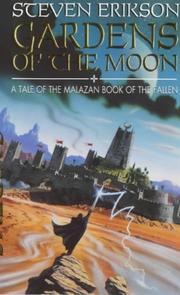
Cover of Malazan Book of the FallenMalazan Book of the Fallen

Malazan Book of the Fallen

Steven Erikson Start with Gardens of the Moon (ten books, complete)

An empire's soldiers fight campaigns across a world thick with history, gods and mages.

Read it for
soldiers, deep history, hard moral questions and vast convergences.
Heads-up
the first book explains very little.
Awards
Gardens of the Moon: World Fantasy Award nominee, 2000.

Recommended by

Also onGrimdark Fantasy Books

Cover of The Stormlight ArchiveThe Stormlight Archive

The Stormlight Archive

Brandon Sanderson Start with The Way of Kings

A soldier tries to keep expendable men alive in the war on the Shattered Plains.

Read it for
scale, magical discovery and soldiers holding each other up.
Heads-up
it's long, and the series isn't finished.
Awards
The Way of Kings: David Gemmell Legend Award, 2011.

Also onBooks like The Will of the Many

Cover of A Song of Ice and FireA Song of Ice and Fire

A Song of Ice and Fire

George R. R. Martin Start with A Game of Thrones

Dynastic war across Westeros, with a supernatural threat building in the north.

Read it for
political intrigue, family conflict and characters' inner lives on a huge scale.
Heads-up
two books are still to come, with no release date.

Recommended by

Also onGrimdark Fantasy Books

Cover of MaliceMalice

Malice

John Gwynne Start with The Faithful and the Fallen, book 1

My pick

Aspiring warriors and rival rulers are drawn into a war that keeps spreading.

Read it for
fast-paced battles and duels on an epic scale.
Heads-up
a classic good-against-evil story, so less morally gray than most books here.
Awards
David Gemmell Morningstar Award for best debut, 2013.

Recommended by

Also onBooks like Red RisingBooks like Powder Mage

Cover of The Grace of KingsThe Grace of Kings

The Grace of Kings

Ken Liu Start with The Dandelion Dynasty, book 1 (four books, complete)

A rebellion against an island empire, and the wars that decide what replaces it.

Read it for
war on a large scale and the rise and fall of states.
Heads-up
politics and philosophy over squad-level combat.
Awards
Locus Award for Best First Novel, 2016; Nebula Award nominee; named in TIME's 100 Best Fantasy Books (2020).

Recommended by

Also onBooks like Red RisingBooks like The Poppy War

Cover of The WolfThe Wolf

The Wolf

Leo Carew Start with Under the Northern Sky, book 1

The warrior people of the north fight to hold their border against the human kingdom to the south.

Read it for
battle-heavy epic fantasy; one battle runs over forty pages.
Heads-up
it mixes real and invented place names and ends on a cliffhanger.

Recommended by

Warhammer's soldiers

Military science fantasy from the Warhammer 40,000 universe.

Cover of First and OnlyFirst and Only

First and Only

Dan Abnett Start with Gaunt's Ghosts, book 1 (16+ novels)

My pick

An Imperial Guard regiment fights through the Sabbat Worlds crusade, with a rival regiment and treachery in its own command.

Read it for
infantry warfare and regimental loyalty: the Sharpe of Warhammer 40,000.
Heads-up
science fiction rather than fantasy; some knowledge of the setting helps.

Recommended by

Also onIf You Like This Game or War Film, Read This Book

War played for laughs, mostly

Cover of Monstrous RegimentMonstrous Regiment

Monstrous Regiment

Terry Pratchett Start with Monstrous Regiment (no other Discworld books needed)

Pratchett's satire of war and authority, told through a young woman's enlistment.

Read it for
war and authority seen through comedy and a female recruit.
Heads-up
it's comedy, though not always a happy one; not grim realism.

Recommended by

Cover of Grunts!Grunts!

Grunts!

Mary Gentle Standalone

Orcs find modern weapons in a dragon's hoard and turn into caricatured Marines.

Read it for
an orc unit's identity and a savage inversion of heroic fantasy war.
Heads-up
extreme black comedy and graphic violence.

Recommended by

  • Readers on Reddit

Realistic battles and logistics in military fantasy

"Amateurs talk strategy, professionals talk logistics." The line is usually credited to Omar Bradley, though a documented version comes from Robert H. Barrow, a US Marine general, in the San Diego Union of 11 November 1979: "Amateurs talk about strategy and tactics. Professionals talk about logistics and sustainability in warfare." An attribution to Bradley appears in a reader's letter in The Economist of 16 November 1996. Somewhere between the two, the line lost half its words and changed generals.1

When readers go looking for "realistic" military fantasy, they usually mean the battles: tactics that mirror or are closely inspired by how soldiers and armies behave in the real world, commanders who don't win by doing something obviously stupid, a clear sense of who is standing where doing what. And beyond that, whether the weapons and terminology are used correctly. All that matters, but there's another side to the coin. Armies spend far more time not fighting than fighting, and in the meantime they are eating, waiting to be paid and dragging everything they own along with them. A fantasy army that only exists on battle days is a stage army, however realistic the battle is written.

Supplying an army was part of its strategy and could determine a war's outcome. The idea of making war pay for itself goes back at least to ancient Rome, where the historian Livy (59 BC–AD 17) credits Cato the Elder (234–149 BC), who sent the grain contractors home in Spain in 195 BC, with the phrase bellum se ipsum alet: "The war will feed itself."2 Much later, the German poet Friedrich Schiller put a similar phrase into the mouth of General Isolani in Die Piccolomini, the second part of his Wallenstein trilogy: Der Krieg ernährt den Krieg—"War feeds war."3

In 1625, during the Thirty Years' War, Wallenstein was raising an army for Ferdinand II, using his wealth and access to credit to get it into the field. Forced contributions from the territories supporting his troops helped meet the expense. Enemy, neutral or ally, the distinction mattered rather less when payment was due.4 Wallenstein wasn't the only commander making civilians pay. In Telgte, the town authorities borrowed money to meet contributions demanded by different commanders, driving the town deeper into debt. The war fed itself at somebody else's expense.5 What is often forgotten when mentioning "war" here is that it also included the soldiers' families and the people working around them: cooks, washerwomen, merchants and servants. All of them needed feeding too.6

This baggage train, or Tross, is a part of the army that fantasy rarely shows. In the Thirty Years' War, soldiers traveled with substantial numbers of women, children and other camp followers whose work helped keep the army supplied. They needed feeding, but the soldiers depended on them too.7 For a fantasy story drawing on this period, the baggage train is one of the better sources of inspiration, I think. Someone from it could become a soldier, or a soldier could end up working in it. Of course that has been done before; it's not as though no stories have tried it. But it should be on the list when judging a story's realism or writing one yourself.

Like everything else, realism has to earn its place. Having a realistic army in a fantasy setting is a weird thought anyway, and the detail should go only as far as it helps immerse readers in the world. In the end, every story needs to be just that, a story. And it needs to work as a story, which sometimes means leaving out the more mundane or dirty side of war. Django Wexler jokes that readers aren't especially interested in "the details of orc logistical and latrine arrangements," and he is right.8 Battles and logistics have to serve the story first and be realistic second.

So where do these concerns turn up in fiction? Sixteen Ways to Defend a Walled City by K. J. Parker puts an engineer in charge of defending a city that lacks the food and weapons it needs for the coming siege. Resources and improvisation are built into the premise.9 In A Dirge for Sabis, credited to Leslie Fish and C. J. Cherryh, having the weapon is only part of the problem: the threatened empire's rulers must also recognize its value and agree to pay for it.10 Joe Abercrombie's The Heroes concentrates on a single three-day battle, seen from both sides and different levels of command.11 Parker's The Company follows five veterans trying to build a life on an abandoned island after their military service.12 They approach different parts of the question: how you prepare for war, how you experience it and what you carry home.

From the author of this site

Only the Banners Change

Sandro Andreatta

By the author of this siteFree novelette

Read it for
Cossack-style frontier war, gritty humor, defiance against empires, pike-and-shot warfare, and magic that costs the one who uses it.
Heads-up
Not a full campaign. It's an introduction to the world of the Witch Field, not a full book. It's a novelette about a community that must decide whether they welcome one empire to get rid of another.

The Witch Field — Acceptable Loss

Sandro Andreatta

By the author of this siteComing 2027

Four years after her student, the chosen one, died when the witch field collapsed above him and destroyed a city, Witch-Major Irena Vahn is exiled to a fort on the eastern frontier. There she finds the same magical pattern that killed him, and a military system prepared to sacrifice the people it exists to protect.

Read it for
pikes, muskets and artillery in a world where soldiers who believe the same thing in formation create real, physical magic; a mystery worked out by veterans who already know the field; and friends trying to keep alive a woman who counts herself among the acceptable losses.

FAQ

What is military fantasy?

Fantasy told from inside an army. The war is the center of the story, not its backdrop: soldiers, officers and mercenaries, campaigns, sieges and the cost of all of it.

Where should I start with military fantasy?

The Black Company by Glen Cook for a mercenary company, The Heroes by Joe Abercrombie for a single battle, and The Thousand Names by Django Wexler for musket warfare.

Are there standalone military fantasy books?

Yes: The Heroes, Guns of the Dawn, The Company, Monstrous Regiment, Grunts! and the novella Sunset Mantle all stand alone.

Which military fantasy series are complete?

Malazan Book of the Fallen (ten books) and the Powder Mage trilogy that starts with Promise of Blood are both complete.

Which military fantasy books are most realistic?

It depends on what you mean by realistic. For sieges and supply, try Sixteen Ways to Defend a Walled City and A Dirge for Sabis; for battle seen from the ranks, The Heroes. The essay above explains why logistics matter as much as tactics.

Sources

  • Book descriptions: the site's book catalog, built from publisher pages and reviews for each book.
  • The essay's sources are in its footnotes.

Notes

  1. Barrow quotation and Bradley attribution. Robert H. Barrow, interview in the San Diego Union, 11 November 1979, p. C4; Timothy Bolton, reader's letter in The Economist, 16 November 1996, p. 6. These newspaper references and the quoted wording are documented by Barry Popik, "'Amateurs talk strategy. Professionals talk logistics'," 20 June 2019. The newspaper originals were not independently inspected. ↩

  2. Livy. Ab urbe condita (History of Rome), book 34, chapter 9, section 12. The passage describes Cato dismissing the grain contractors and saying bellum se ipsum alet. Latin text, book 34. ↩

  3. Schiller, Friedrich. Die Piccolomini, Act I, scene 2, in the Wallenstein trilogy. The speaker is Isolani. Text of the scene. ↩

  4. Wilson, Peter H. The Thirty Years War: Europe's Tragedy. Belknap Press of Harvard University Press, 2009. Chapter 12, "Denmark's War against the Emperor 1625–9," pp. 385–423, particularly the section "War Finance." Discusses Wallenstein's wealth, credit arrangements and contribution system. Book and chapter listing. Kampmann, Christoph. "Albrecht Wenzeslaus Eusebius von Wallenstein." Neue Deutsche Biographie, vol. 27, 2020, pp. 320–323. Discusses the army's financing through contributions imposed on enemy, neutral and allied territories. Academic reference entry. ↩

  5. Stadtarchiv Telgte. "Telgte im Dreißigjährigen Krieg." Archive in Nordrhein-Westfalen, 1 February 2023. The municipal archive explicitly states that the town borrowed money to pay contributions to different warlords, increasing its debts and impoverishing its population. ↩

  6. Andresová, Klára. "Women and Children in the Military Camps of the Thirty Years' War." Historická demografie 43, no. 1 (2019): 21–46. Especially the discussion of army composition and camp followers, pp. 24–29, and women's and children's work, pp. 36–42. Full journal issue, PDF. ↩

  7. See note 6. ↩

  8. Wexler, Django. "So You Want to Have a War?" A Dribble of Ink, 22 April 2013. Source of the quotation about orc logistics and latrines and the discussion of realism serving character and plot. ↩

  9. Parker, K. J. Sixteen Ways to Defend a Walled City. Orbit, 2019. Publisher's description. ↩

  10. Fish, Leslie, and C. J. Cherryh. A Dirge for Sabis. Baen Books, 1989. The Sword of Knowledge, book 1. Authors credited as on the publisher's listing. Publisher's description. ↩

  11. Abercrombie, Joe. The Heroes. Gollancz, 2011. For the three-day structure and viewpoints on both sides of the battle, see Abercrombie's "The Heroes," 25 August 2009. ↩

  12. Parker, K. J. The Company. Orbit, 2009 paperback edition. Publisher's description. ↩

No books match. Try another word or show all.